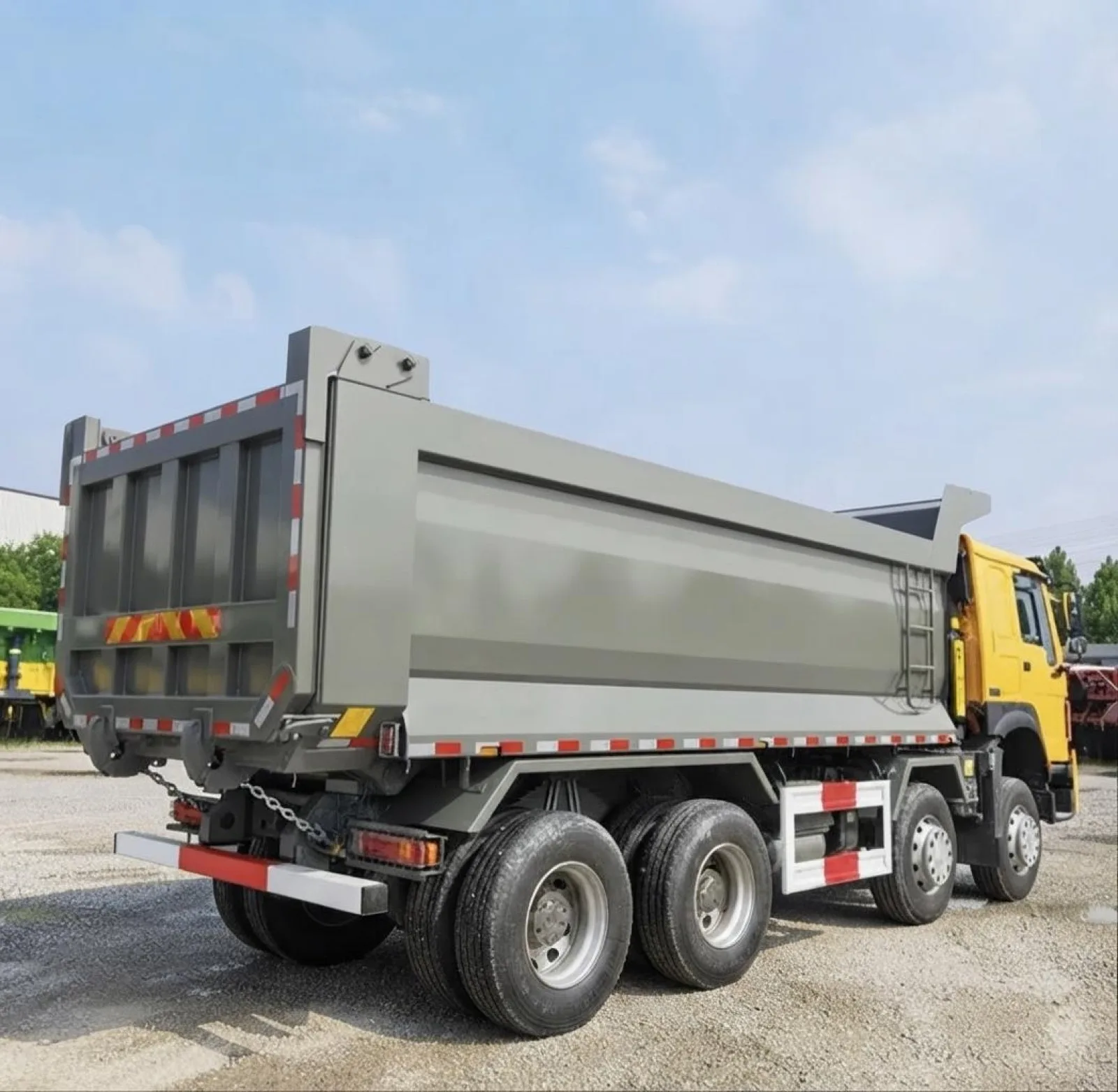
A rigid truck carries its load on its own chassis, without a trailer. The tipper is the most common version on Ivorian job sites: it unloads by tipping, which saves a great deal of time on runs of sand, gravel, laterite or quarry run.
6, 10 or 12 wheels: what it changes
The axle configuration decides what the truck can carry and where it can get out of. A 4x2, six wheels, suits urban distribution and small deliveries around Abidjan. A 6x4, ten wheels, is the everyday site truck, able to load at a quarry and run on tracks. An 8x4, twelve wheels, takes the heaviest loads and spreads the weight better on poor roads.
Payload decides the real cost
It is the criterion people look at second and the one that weighs most. It is shown in tonnes on each product page, and it sets the number of trips needed for a given volume, and therefore the cost per cubic metre delivered, fuel and driver included. A less powerful but better-sized truck often costs less per cubic metre than an oversized machine running half empty.
Tipper, rigid, or both
A tipper serves construction and quarrying. A flatbed or box rigid serves distribution, the transport of packaged materials and urban rounds. Our stock covers both, new and used, from SINOTRUK, SHACMAN, IVECO and MAN.
Tell us the material carried, the distance and the number of daily trips, and you will receive a quote within 24 hours.

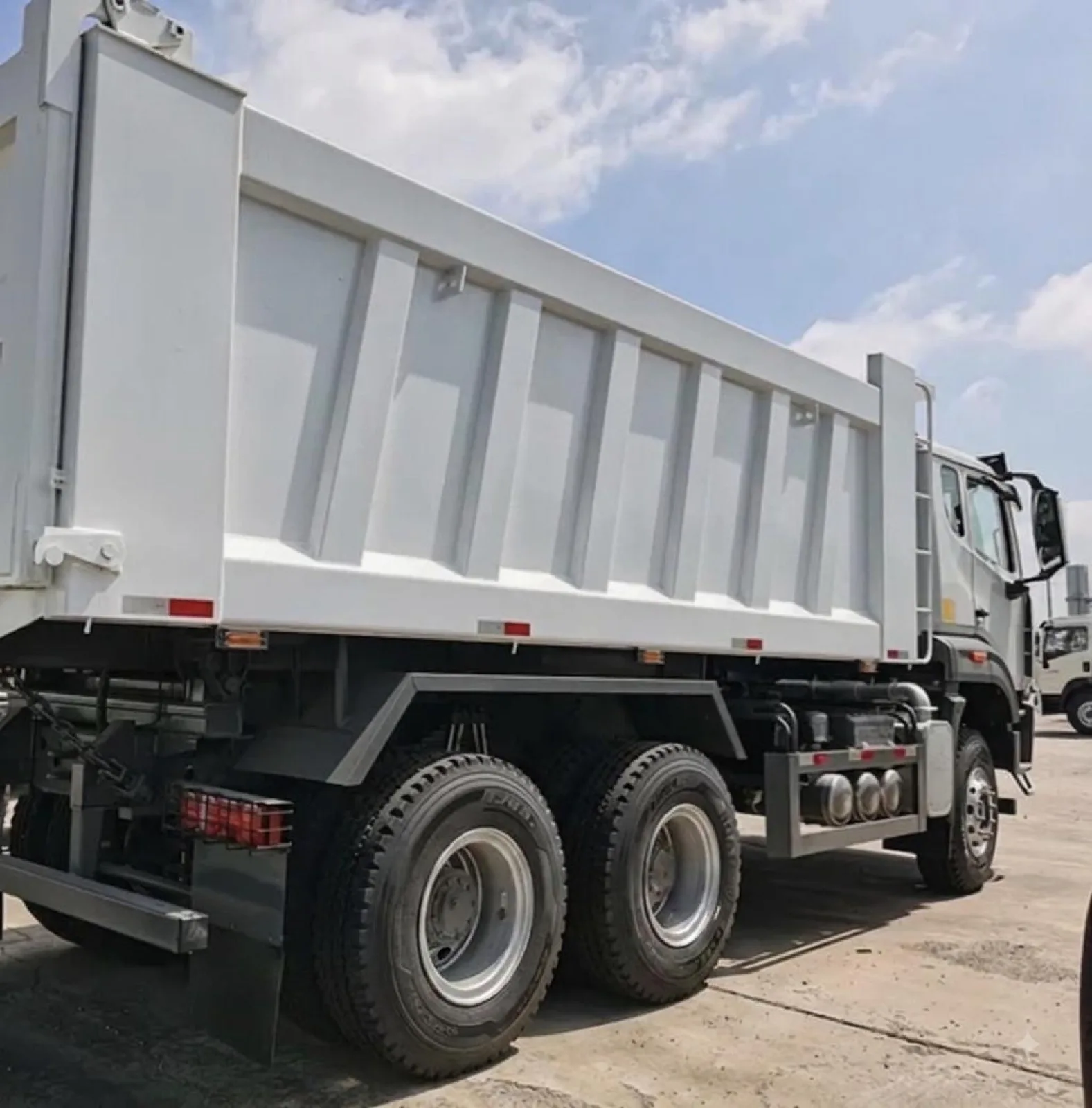 New
New